
Building a Flappy Bird Game With Help From AI

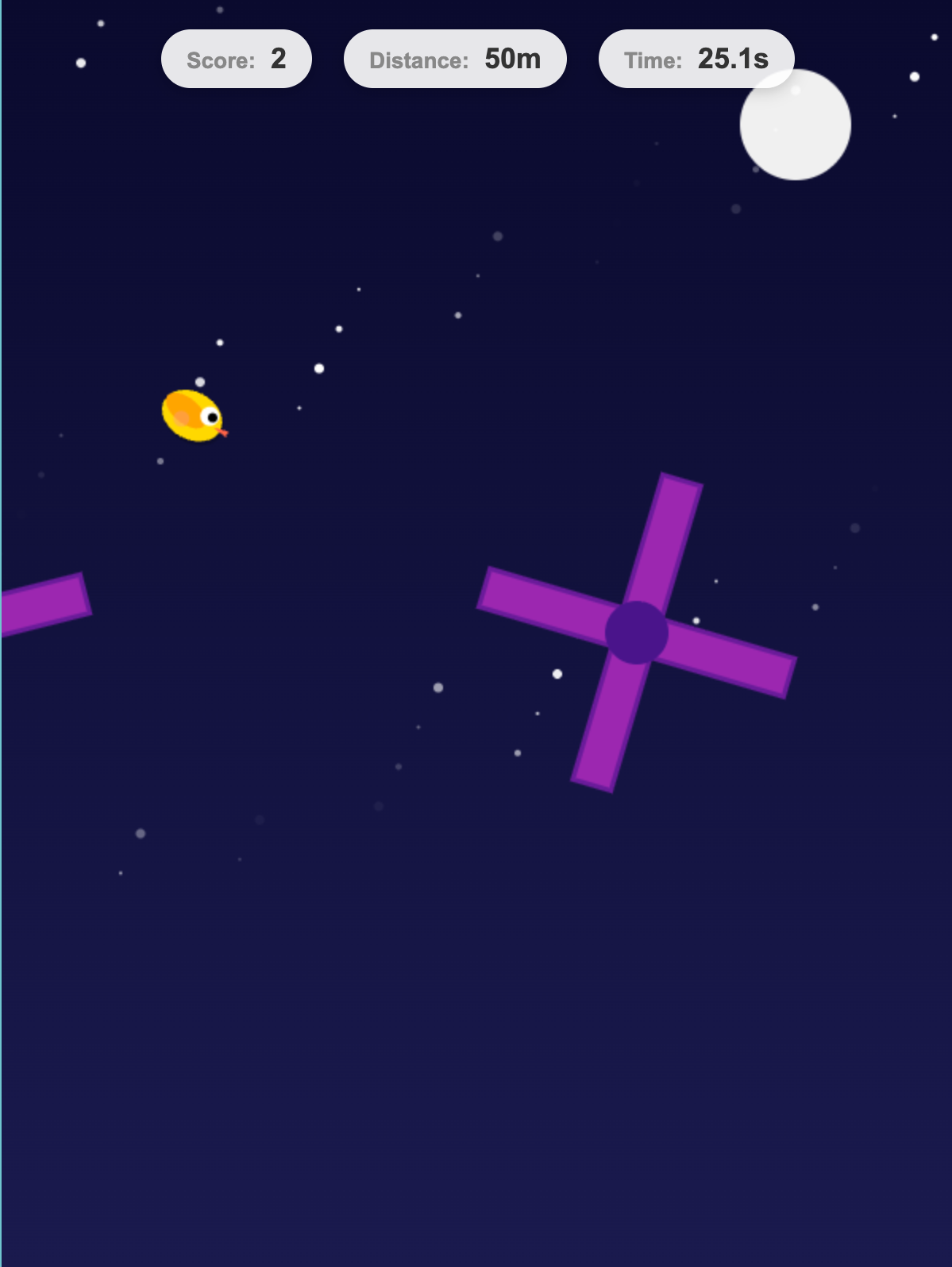
This build was another game made using Cursor, this time inspired by Flappy Bird. It had the classic pipes you fly through, but I added rotating and moving obstacles to make it more interesting. On paper, that sounded fun. In reality, it was brutal.
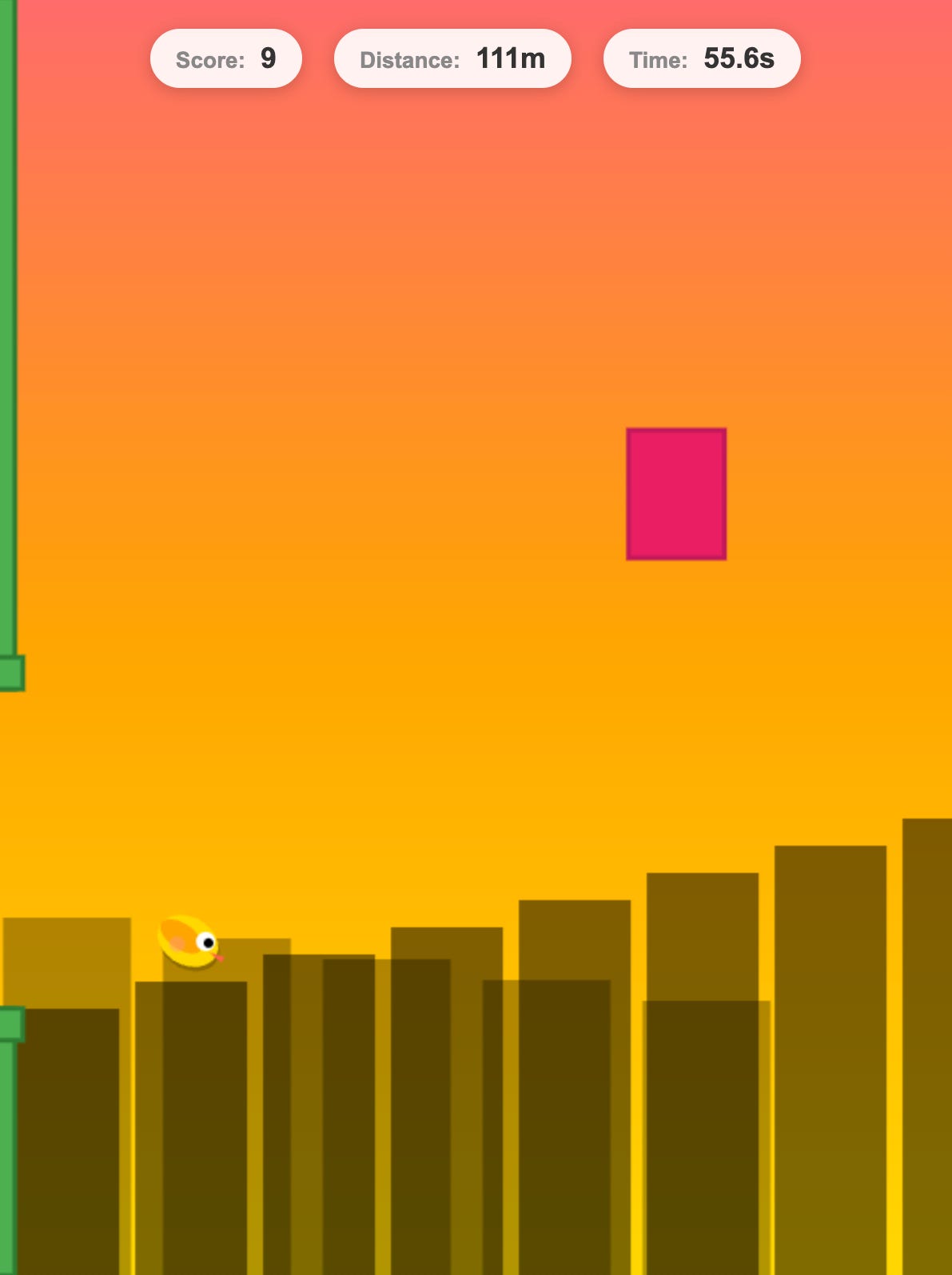
At first, the game was basically impossible. The obstacles moved too fast, rotated at the wrong times, and gave you almost no chance to react. You could tell the code was working, but the game design wasn’t. A game that’s technically correct but not playable still fails.
On top of that, there were glitches. Sometimes two obstacles would spawn on top of each other, completely blocking the path. There was no skill involved in losing—you were just done. That’s the kind of bug that instantly tells you something is wrong with your logic.
I had to read through the code carefully and figure out why the obstacles were behaving that way. I adjusted spawn timing, spacing, and movement speeds. I also added checks to make sure obstacles couldn’t overlap. None of those fixes were flashy, but all of them mattered.
Once I slowed the game down and fixed the spawning issue, it finally felt fair. Still challenging, but playable. You could lose because you made a mistake, not because the game decided to be unfair.
This project was a good lesson in balancing difficulty and debugging logic. Cursor helped me build fast, but it didn’t make the design choices for me. I had to decide what “fun” actually meant and then force the code to match that.
Overall, this Flappy Bird game showed me that making a game work is only half the job. Making it playable is the real challenge.
Here is the link to the game: Flappy Bird Game